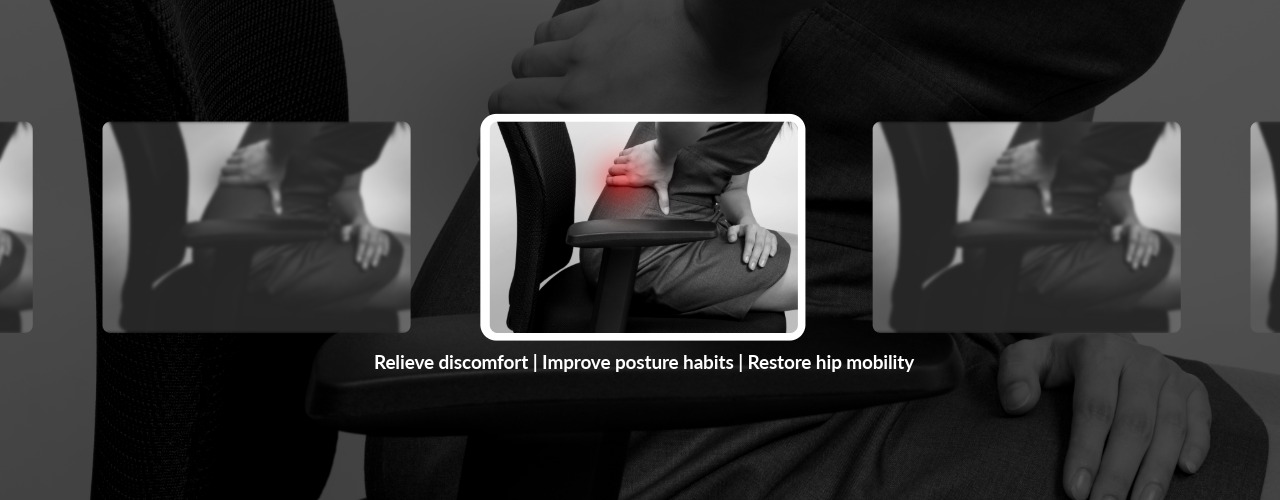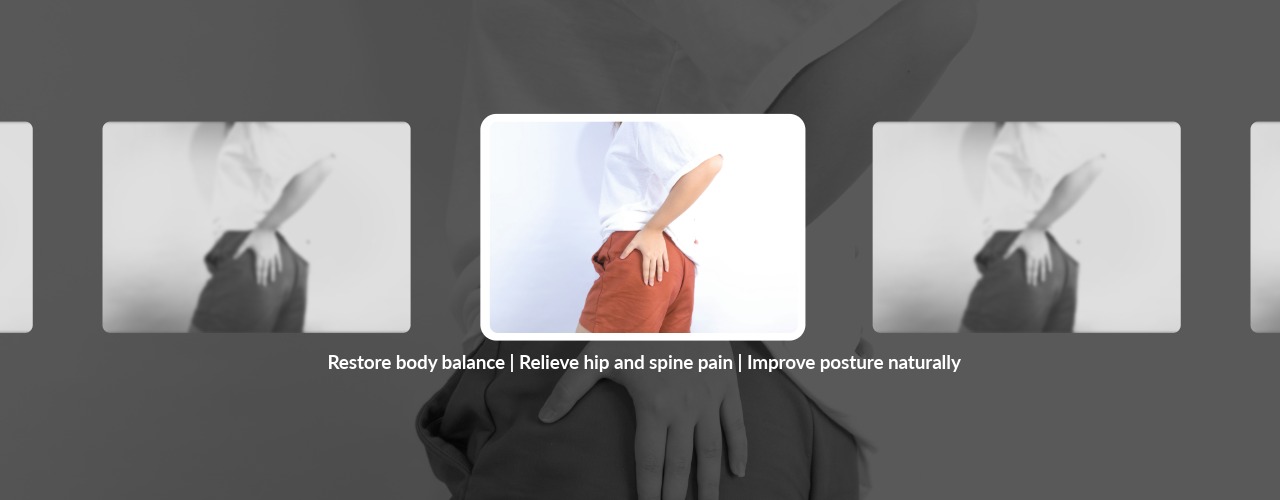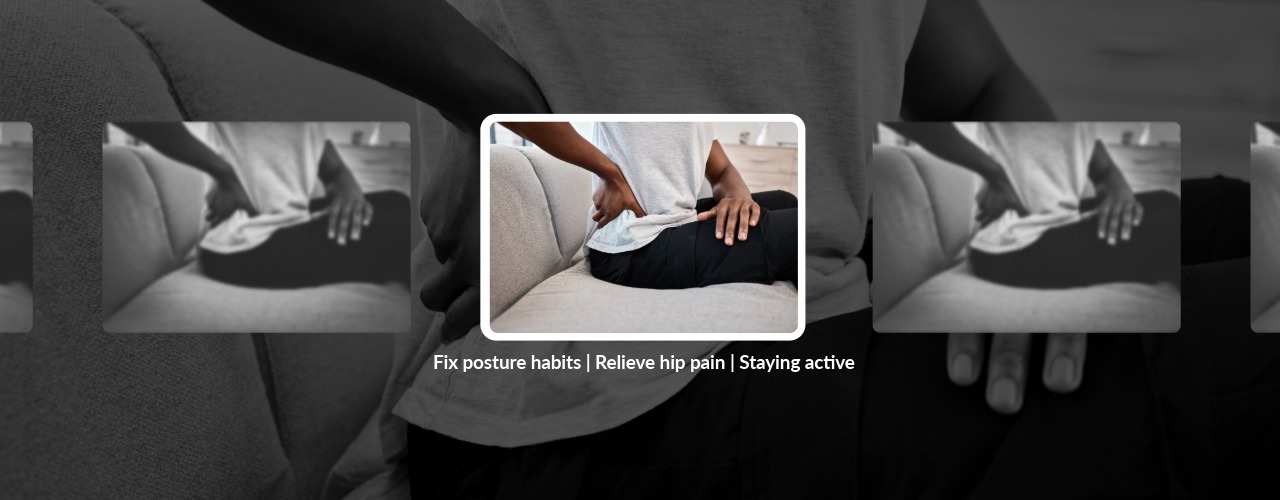













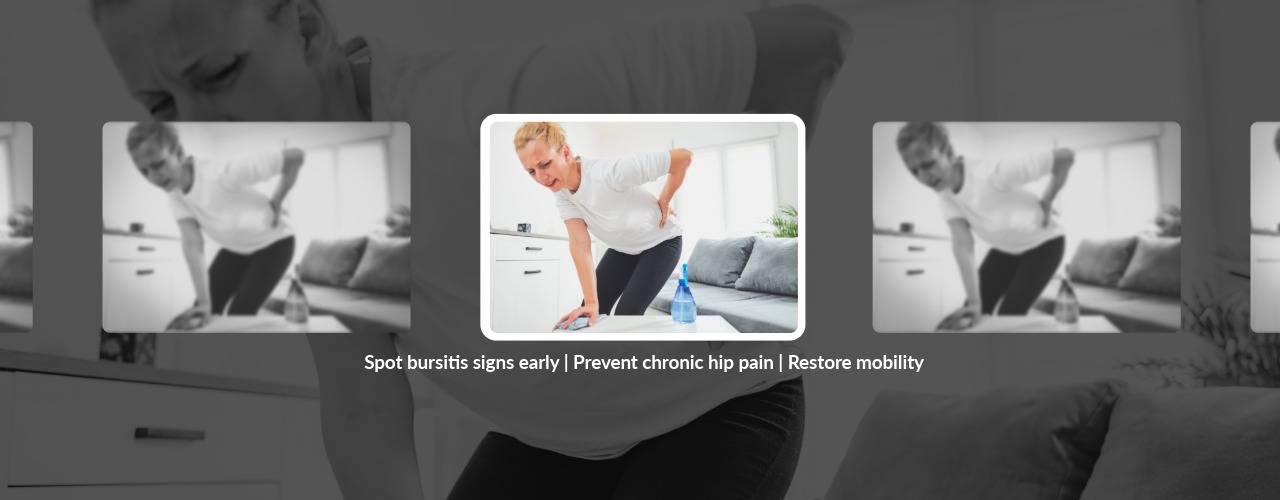
When mild soreness lingers around the hip, it’s easy to blame it on sitting too long or overdoing a workout. However, those small aches may be early signs of something called hip bursitis. This condition develops when tiny, fluid-filled sacs called bursae become irritated. These sacs protect your hip joint and reduce friction between bones and soft tissue. When they swell, even simple motions like standing up or climbing stairs can cause discomfort.
The earliest hip bursitis symptoms often include tenderness along the outside of the hip. Many people first notice it while lying on one side in bed or after long periods of sitting. If you pay attention to these early warnings, you can take steps to prevent more serious inflammation later on.
Everyday Habits That Can Trigger Hip Pain from Bursitis
The causes of hip bursitis are often linked to movement patterns or postures that put repetitive pressure on the joint. Understanding what contributes to irritation can help you protect your hips and reduce flare-ups.
Common Causes
- Repetitive actions such as running, cycling, or stair climbing
- Weak hip or glute muscles that reduce joint stability
- Poor posture or spinal alignment
- Uneven leg length that changes how you walk
- Previous falls or direct impacts to the side of the hip
These factors create friction in the hip area, and over time, that repeated stress can inflame the bursae. Recognizing and modifying these habits early can help prevent worsening hip bursitis symptoms.
Subtle Signs That Deserve a Second Look
The first signs of bursitis often appear gradually. You might notice that sitting cross-legged or lying on your side becomes uncomfortable. Some people describe it as a dull ache that turns sharp with certain movements.
The following early hip bursitis symptoms are common:
- Tenderness or pain when lying on one side
- Mild swelling or warmth on the outer hip
- Pain that increases when climbing stairs or standing up
- Stiffness after long rest or sleep
- Soreness that worsens with repetitive activity
It’s important not to ignore these patterns. Addressing them early often prevents more intense pain or long recovery times later.
How Physical Therapy Helps You Move Comfortably Again
When hip pain doesn’t fade on its own, physical therapy provides one of the most effective, noninvasive solutions. Our licensed therapists can pinpoint the exact source of your discomfort and guide you through safe, gradual healing.
What to Expect from Treatment
During your first session, one of our therapists will evaluate how you move, checking strength, posture, and flexibility. Based on your findings, they create a personalized plan that may include:
- Strengthening exercises to stabilize the hip
- Hands-on manual therapy to relieve tension and improve circulation
- Ice or heat applications for comfort
- Posture and movement education to reduce stress on the joint
- Guidance on adjusting activities that aggravate the bursa
Through consistent sessions, physical therapy helps calm inflammation, improve strength, and restore mobility. Many patients notice significant improvement within weeks of beginning care.
Simple At-Home Strategies for Comfort
Supporting your recovery at home can make a major difference. These habits help ease irritation and keep the joint healthy:
- Apply ice for 15 minutes several times a day to soothe tenderness
- Change sitting positions often and avoid lying on one side for long periods
- Use supportive shoes to distribute weight evenly
- Perform light hip stretches to maintain flexibility
- Warm up before and cool down after activity
These small adjustments help manage early hip bursitis symptoms and reduce the risk of recurrence.
When to Seek Professional Help
If soreness keeps returning or limits your normal activities, it’s time to consult a physical therapist. The earlier you start treatment, the faster you can control inflammation and regain full movement. Therapists not only address current pain but also teach strategies to prevent future irritation.
The team at Precision In Movement & Performance Physical Therapy understands how frustrating hip pain can be. They specialize in evidence-based care that focuses on long-term results rather than quick fixes. By identifying the cause of your hip bursitis symptoms and creating a custom recovery plan, they help you get back to walking, sitting, and moving comfortably.
Find Relief and Regain Your Routine
Ignoring hip pain can make daily life harder than it needs to be. Early attention and the right care plan can restore comfort and prevent recurring irritation. If you think your soreness could be hip bursitis, let the professionals at Precision In Movement & Performance Physical Therapy help. Their personalized approach can guide you toward lasting relief and improved mobility.
Call Precision In Movement & Performance Physical Therapy today to schedule an appointment and start moving comfortably again.