














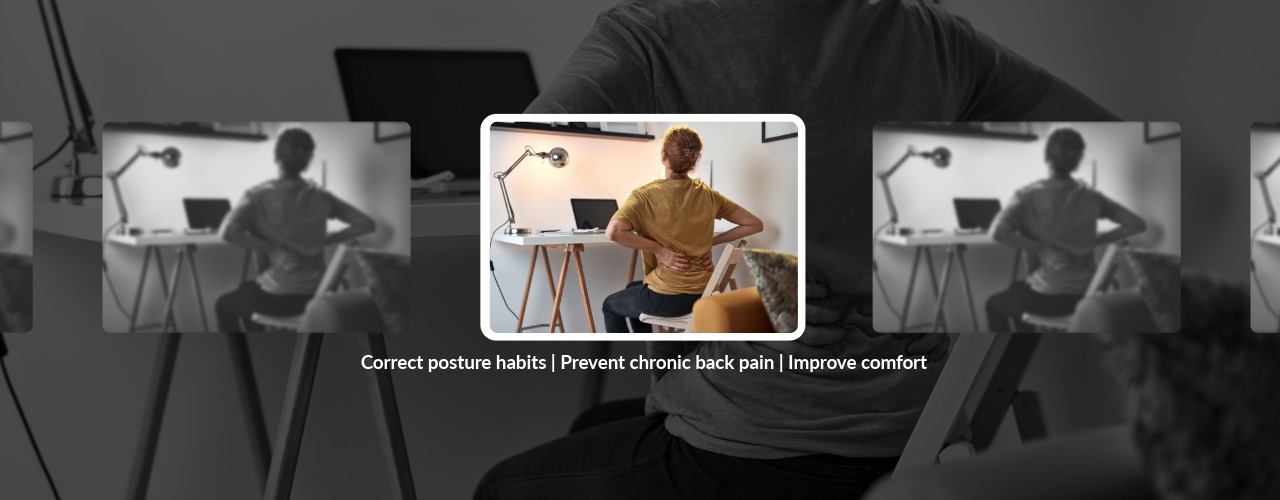
Many people spend hours sitting at desks, looking at phones, or driving long distances without realizing how much pressure these habits put on their backs. Over time, this constant strain can lead to back pain from poor posture.
When you slouch, your spine moves out of its natural alignment. The muscles that support your back must work harder to hold your body upright. Over time, those muscles tire and tighten, leading to stiffness and soreness that may start in the neck or shoulders and spread down the spine.
The Hidden Ways Posture Impacts the Body
Posture affects more than how you look; it changes how your body functions. Poor alignment can restrict breathing, reduce core stability, and create uneven stress on spinal joints. These small imbalances build up slowly but can cause lasting discomfort if ignored.
Common Everyday Habits That Strain Your Back
- Leaning forward while using a phone or laptop
- Crossing your legs for long periods
- Sitting without lower back support
- Standing with weight shifted to one hip
- Carrying heavy bags on one shoulder
These actions may feel harmless at the moment, but repeated daily, they lead to muscle fatigue and inflammation that contribute to back pain from poor posture.
Recognizing When Posture Is the Problem
It’s not always easy to tell when pain is posture-related. Many people mistake muscle tension for normal fatigue. However, consistent soreness after sitting or standing for long periods can signal that posture is affecting spinal health. Look for these signs:
- Dull, aching pain in the lower or middle back
- Tightness between the shoulder blades
- Stiffness that improves when you stretch or move
- Numbness or tingling after long sitting sessions
- Fatigue even after resting
If these signs sound familiar, our therapists at Precision In Movement & Performance Physical Therapy can evaluate your posture and movement patterns to identify the source of the problem.
How Physical Therapy at Precision In Movement & Performance Physical Therapy Can Help
Correcting poor posture involves more than standing up straight; it requires retraining your body to move efficiently. Our therapists at Precision In Movement & Performance Physical Therapy specialize in evaluating spinal alignment, muscle balance, and movement habits that contribute to back pain from poor posture.
They use proven techniques to reduce discomfort, improve mobility, and teach proper posture that lasts. Your personalized plan at Precision In Movement & Performance Physical Therapy may include:
Postural Assessment
- Identifying weak or tight muscles that affect alignment
Targeted Exercises
- Strengthening your core and back muscles to support proper posture
Manual Therapy
- Easing tension and improving joint mobility
Education
- Teaching daily posture corrections for sitting, standing, and lifting
Ergonomic Guidance
- Setting up your workspace to prevent slouching and strain
These evidence-based strategies help your body learn and maintain healthy movement patterns.
Simple Changes You Can Start Today
While therapy provides long-term results, small daily changes can make an immediate difference.
Everyday Posture Fixes
- Keep your ears aligned with your shoulders when using a screen
- Adjust your chair height so your feet rest flat on the floor
- Take short standing or walking breaks every 30 minutes
- Strengthen your core with gentle exercises like bridges or planks
- Sleep with a pillow that keeps your neck and spine aligned
These actions support your spine and prevent back pain from poor posture from becoming a lasting issue.
The Long-Term Benefits of Better Alignment
Improving posture doesn’t just relieve current pain; it prevents future problems. When your spine is aligned correctly, your muscles and joints can work efficiently, reducing stress on your body. Over time, you’ll notice better balance, easier breathing, and greater energy.
Our therapists at Precision In Movement & Performance Physical Therapy guide patients to build lifelong habits that support comfort and strength in every movement.
Start Standing Tall Again
If you’re tired of dealing with constant stiffness or soreness, it might be time to look closer at your posture. Addressing back pain from poor posture early can prevent it from turning into chronic discomfort. The caring therapists at Precision In Movement & Performance Physical Therapy are ready to help you strengthen your back, improve your posture, and feel more confident in your movement.
Call Precision In Movement & Performance Physical Therapy today to schedule your appointment and start building a stronger, healthier spine.





Leave a Reply