












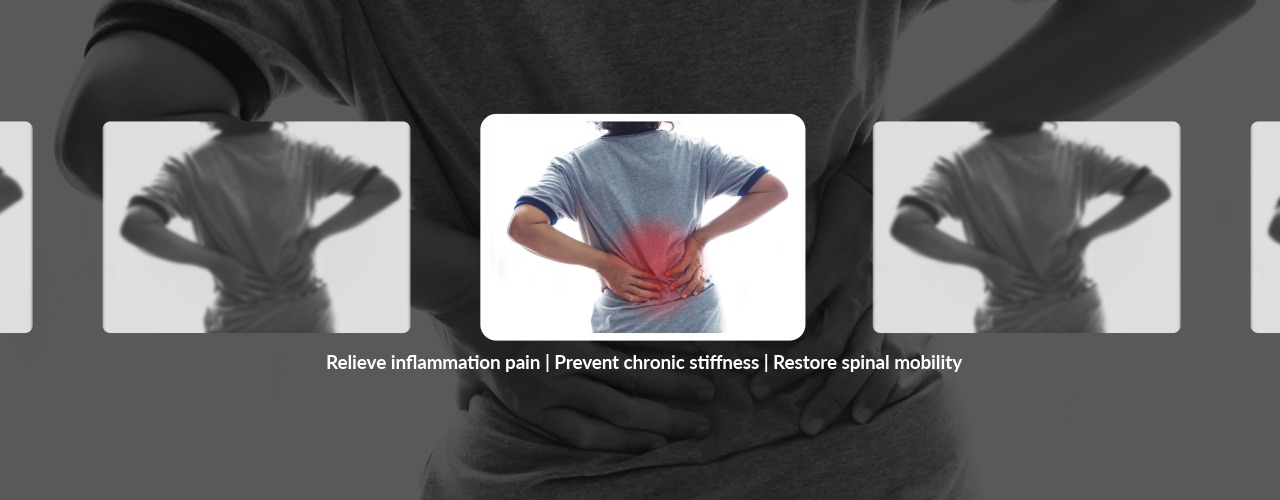
Inflammation is the body’s natural defense mechanism. It helps heal injuries and fight infection. But when inflammation becomes persistent, it can cause pain, stiffness, and limited movement. Many people experience back pain from inflammation without realizing what’s happening inside their bodies.
The tissues around the spine contain muscles, ligaments, and small joints that can become irritated. When these structures swell, they create pressure on nearby nerves, making movement painful. This type of back pain often feels dull and achy in the morning, improving slightly as the day goes on.
Understanding Why Your Back Feels Stiff or Achy
Step 1: Know What Causes Inflammation in the Back
Several factors can trigger the body’s inflammatory response, especially around the spine. Some are related to daily habits, while others stem from underlying conditions.
Common Triggers
- Poor posture or prolonged sitting
- Repetitive strain from work or exercise
- Lack of physical activity
- Autoimmune conditions like arthritis
- Injuries that don’t fully heal
When inflammation becomes chronic, it can lead to ongoing stiffness or sharp pain that limits normal movement. Understanding these causes is the first step toward easing back pain from inflammation.
Step 2: Recognize the Early Warning Signs
Catching inflammation early helps prevent long-term discomfort. Pay attention to how your back feels during rest and activity.
Early Symptoms
- Morning stiffness that eases with gentle movement
- Soreness after sitting for long periods
- Pain that worsens with stress or fatigue
- Warmth or mild swelling in the lower back
- General achiness without a clear injury
If these symptoms sound familiar, our therapists at Precision In Movement & Performance Physical Therapy can evaluate the underlying cause and create a plan to calm the inflammation before it worsens.
Step 3: Move to Manage the Pain
One of the most effective ways to reduce back pain from inflammation is to keep moving. It might seem counterintuitive, but gentle, guided activity improves blood flow and helps remove inflammatory chemicals from the tissues.
Our therapists at Precision In Movement & Performance Physical Therapy teach patients safe, progressive exercises that relieve stiffness and strengthen the muscles supporting the spine. These exercises are customized to match your pain level and mobility goals.
Examples of Movement Strategies
- Light stretching to improve flexibility
- Core strengthening to support spinal stability
- Short walks to increase circulation
- Postural exercises to reduce stress on joints
Small, consistent activity can make a noticeable difference within a few weeks.
Step 4: Try Simple At-Home Habits That Support Healing
Lifestyle choices play a huge role in managing inflammation. A few easy changes can complement your therapy sessions and help control flare-ups.
Helpful Habits
- Apply ice for 10–15 minutes to reduce soreness
- Use a warm compress to relax tight muscles
- Maintain good posture while sitting or standing
- Choose foods rich in omega-3s, fruits, and vegetables
- Drink plenty of water to keep tissues hydrated
- Get enough sleep to allow the body to recover
These small adjustments reduce daily strain and help your body handle inflammation more effectively.
Step 5: Know When to Get Professional Help
If home remedies and stretching only bring short-term relief, physical therapy can identify and address the root cause of your pain. At Precision In Movement & Performance Physical Therapy, our therapists focus on long-term solutions rather than quick fixes.
They combine hands-on care with strengthening and mobility exercises to decrease inflammation naturally. By improving alignment and muscle balance, therapy helps the spine handle movement more efficiently and reduces irritation over time.
Step 6: Build a Long-Term Plan for a Healthier Back
Reducing back pain from inflammation is about more than treating symptoms, it’s about keeping your body strong and resilient. Our therapists at Precision In Movement & Performance Physical Therapy teach patients how to protect their backs through posture correction, safe exercise techniques, and awareness of daily habits that may trigger inflammation.
This proactive approach not only helps you recover but also prevents future flare-ups.
Take Control of Your Back Health Today
Inflammation doesn’t have to control your comfort or activity level. By understanding what causes it and taking small, consistent steps, you can manage your pain effectively. If you’re tired of dealing with back pain from inflammation, reach out to Precision In Movement & Performance Physical Therapy.
Our team of experienced therapists will listen to your concerns, create a personalized plan, and guide you toward lasting relief and better movement.