














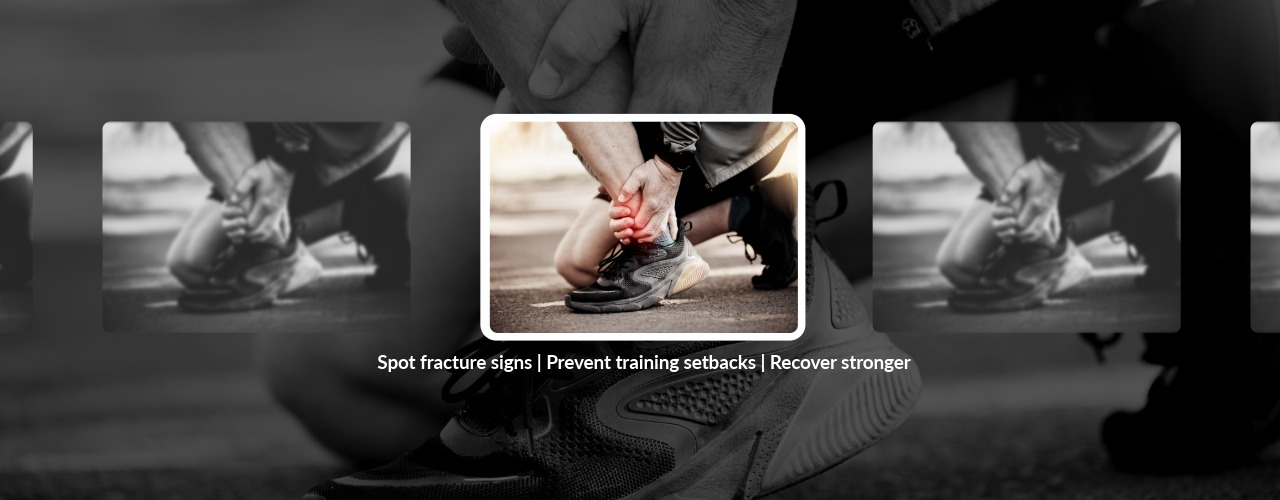
Stress fractures are one of the most frustrating setbacks for active individuals. They often appear without warning and can sideline even the most disciplined athletes for weeks or months. Unlike sudden breaks, stress fractures develop slowly over time due to repeated impact and insufficient recovery. Understanding the early warning signs, risk factors, and effective recovery methods for stress fractures in athletes can help you return to training safely and prevent future injuries.
All You Need to Know About Stress Fractures
A stress fracture is a small crack or severe bruise within a bone. It usually results from repetitive stress, such as running, jumping, or cutting motions, without enough rest for the bone to heal. These micro-injuries accumulate until the bone’s structure weakens, leading to pain and reduced performance.
High-impact sports like distance running, basketball, soccer, and gymnastics carry the highest risk of developing stress fractures in athletes.
What Causes Stress Fractures in Athletes?
Sudden Increases in Training Intensity
- A quick jump in mileage, speed, or frequency increases stress on bones faster than they can adapt. Even small changes, such as switching running surfaces or shoes, can add to this strain.
Inadequate Rest and Recovery
- Bones need time to repair microscopic damage after intense training. Without sufficient recovery, the body can’t rebuild stronger tissue, leaving bones more vulnerable to fractures.
Nutritional Deficiencies
- Low calcium, vitamin D, or overall caloric intake reduces bone density and slows healing. Female athletes with irregular menstrual cycles or restrictive diets are especially at risk for bone stress injuries.
Poor Biomechanics or Weak Muscles
- When certain muscles fatigue or fail to absorb shock properly, bones compensate for the extra load. Misalignments in gait or posture increase repetitive pressure in specific areas, especially the lower legs and feet.
Inappropriate Footwear
- Worn-out or unsupportive shoes can fail to cushion impact, increasing stress along the bones of the foot and leg.
Recognizing Stress Fracture Symptoms
Early recognition is crucial for preventing a minor stress reaction from becoming a complete fracture. Look for these signs:
- Gradual, localized pain that worsens with activity
- Tenderness when pressing on the affected area
- Swelling or mild bruising
- Pain that persists even after rest in advanced cases
If pain continues for more than a few days or interferes with normal movement, it’s important to seek a professional evaluation.
How Physical Therapy Helps Athletes Manage Stress Fractures
Typical Stages of Care for Stress Fractures
We customize every treatment plan based on the athlete’s sport, injury location, and overall fitness level. Here’s what to expect:
Pain Relief and Protection
- Our therapists use gentle techniques to manage pain and reduce swelling while protecting the injured area.
Gradual Weight-Bearing and Strengthening
- Once cleared for movement, specific exercises help restore mobility and build strength in the supporting muscles. This prevents future stress from overloading the same bone.
Gait and Movement Retraining
- We’ll analyze running or movement patterns to identify issues, like overstriding or poor foot alignment, that may have caused the fracture. Correcting these patterns reduces reinjury risk.
Progressive Return-to-Sport
- Our therapists guide athletes through a step-by-step return plan, ensuring the bone is fully healed and strong enough to handle training loads safely.
Preventing Future Stress Fractures
We don’t just want to treat stress fractures in athletes. We also want to help prevent them. Regular movement screenings or performance assessments from a sports physical therapist can catch minor issues before they become major injuries. We also recommend these prevention tips:
- Increase training volume gradually (no more than 10% per week)
- Incorporate cross-training to reduce repetitive impact
- Maintain adequate nutrition with calcium and vitamin D-rich foods
- Replace worn-out footwear regularly
- Schedule rest and recovery days into every training cycle
Schedule An Appointment To Learn More
At Precision In Movement & Performance Physical Therapy, our physical therapy team specializes in helping athletes with stress fractures heal safely and rebuild strength for long-term performance. We provide individualized care plans that promote faster recovery and teach strategies to prevent future injuries.
Contact us today to schedule an evaluation and take the first step toward returning to your sport with confidence.





Leave a Reply