













For many runners and athletes, sharp or burning pain on the outside of the knee can stop training in its tracks. This discomfort is often caused by iliotibial band syndrome, better known as IT band syndrome. While common, it can be frustrating because rest alone rarely provides full relief. Understanding what causes the pain and how to approach IT band syndrome recovery can make all the difference in getting back to performance safely.
The Problem: What Is IT Band Syndrome?
The iliotibial (IT) band is a thick strip of connective tissue that runs from the hip to the knee. Its job is to stabilize the leg during movement. When the IT band becomes tight or irritated, it can rub against the outer part of the knee, creating pain and inflammation. This condition is especially common in runners, cyclists, and athletes who perform repetitive leg motions.
The pain usually starts as mild irritation but can worsen quickly if ignored. Runners often notice the discomfort after a few miles, and it may fade with rest only to return during the next workout.
Why IT Band Problems Develop
Several factors contribute to IT band irritation, including:
Overtraining
- Rapidly increasing distance or intensity can overload the tissues.
Poor Running Mechanics
- Weak hip or glute muscles allow the knee to collapse inward, stressing the IT band.
Tight Muscles
- Limited flexibility in the hips or thighs restricts proper movement.
Improper Footwear
- Worn-out shoes or inadequate support affect leg alignment.
Training Surfaces
- Running on banked roads or uneven trails causes an imbalance between the legs.
When these factors combine, they create friction and inflammation along the IT band, leading to chronic pain.
How IT Band Pain Affects Performance
IT band pain does more than interrupt training. It changes the way athletes move. Runners may shorten their stride, shift their posture, or compensate with other muscles to avoid discomfort. Over time, this compensation can cause hip, lower back, or opposite leg pain. For competitive athletes, it can mean weeks or months away from training if not treated properly.
The Solution for IT Band Syndrome Recovery
Successful IT band syndrome recovery focuses on more than just reducing pain. It requires restoring balance and correcting movement patterns to prevent recurrence. At Precision In Movement & Performance Physical Therapy, physical therapy provides an evidence-based, structured approach to healing.
What To Expect from Physical Therapy
1. Manual Therapy
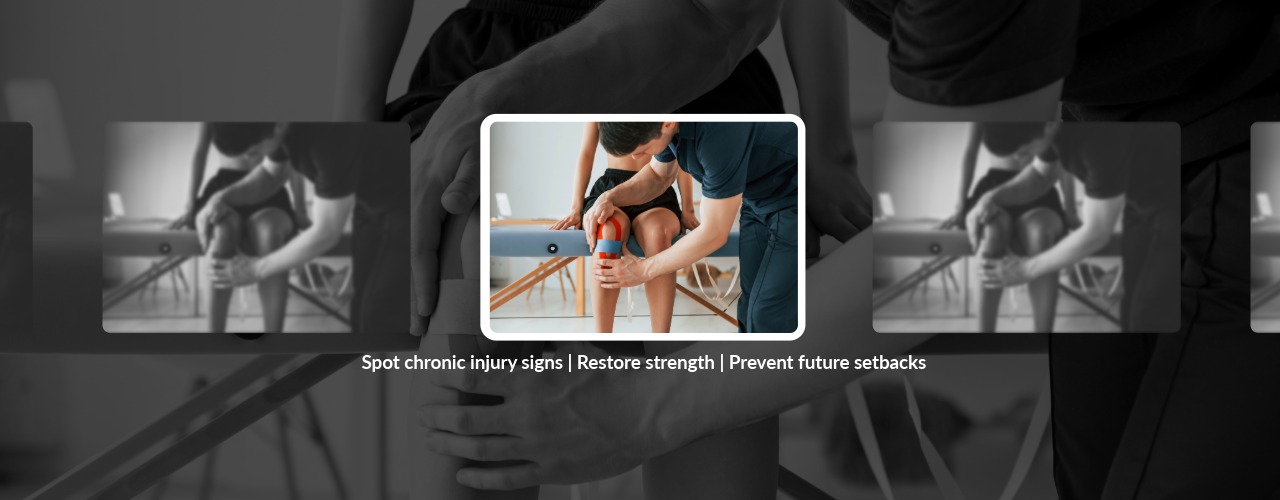
Hands-on treatment releases tension in the IT band, hips, and surrounding muscles. By improving tissue mobility and circulation, manual therapy reduces irritation and promotes faster healing.
2. Targeted Exercise
Specific strengthening exercises for the hips, glutes, and core improve alignment and control during movement. Stronger stabilizing muscles reduce strain on the IT band with every step.
3. Stretching and Mobility Work
Therapists guide patients through safe, gentle stretches that improve flexibility in the hips and thighs. Controlled movement helps restore normal motion and decrease tightness.
4. Movement Retraining
Physical therapists evaluate running form and identify poor mechanics that contribute to pain. Through retraining and posture correction, patients learn to move efficiently without overloading the IT band.
5. Education and Prevention
Athletes receive guidance on proper warm-ups, training progression, footwear selection, and rest cycles to protect against re-injury.
Each plan is personalized, addressing both the symptoms and the root cause of the condition.
Why Rest Alone Is Not Enough
While rest can reduce pain temporarily, it does not resolve the underlying tension or weakness causing IT band irritation. Without correcting those issues, symptoms almost always return once training resumes. Active treatment through physical therapy restores strength and flexibility, ensuring the tissues can handle the physical demands of running or athletic activity.
Recovery Timeline and Expectations
Most athletes notice improvement within a few weeks of consistent therapy, though complete recovery can vary depending on the severity of the condition and the individual’s training goals. Early intervention shortens the recovery process and helps prevent chronic inflammation.
A gradual return-to-activity plan is critical. Physical therapists guide patients through reintroduction of running, cycling, or strength training in controlled stages to avoid re-irritation.
Long-Term Maintenance Strategies
Maintaining healthy hips, knees, and legs after IT band syndrome recovery is key to preventing flare-ups. Strategies include:
- Consistent stretching after workouts
- Regular cross-training to balance muscle use
- Avoiding sudden changes in mileage or intensity
- Using supportive footwear and replacing shoes regularly
- Scheduling periodic movement assessments with a therapist
These proactive steps help athletes sustain the progress they achieve during therapy.
Moving Forward With Confidence
IT band syndrome can be discouraging, but it does not have to end your training goals. With the right combination of hands-on care, strengthening, and education, athletes can return to running stronger and more balanced than before.
Find Relief and Return to Your Sport
If you are experiencing pain on the outside of your knee or hip, it may be time for a professional assessment. At Precision In Movement & Performance Physical Therapy our therapists specialize in IT band syndrome recovery, helping runners and athletes eliminate pain, restore strength, and move with confidence. Contact Precision In Movement & Performance Physical Therapy today to schedule your evaluation and get back to the activities you love.