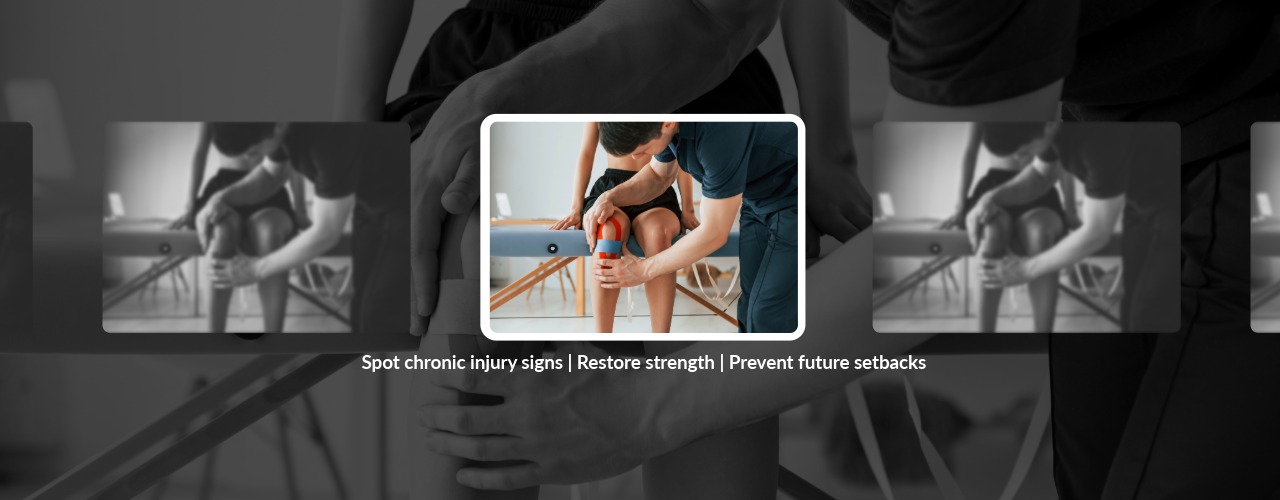













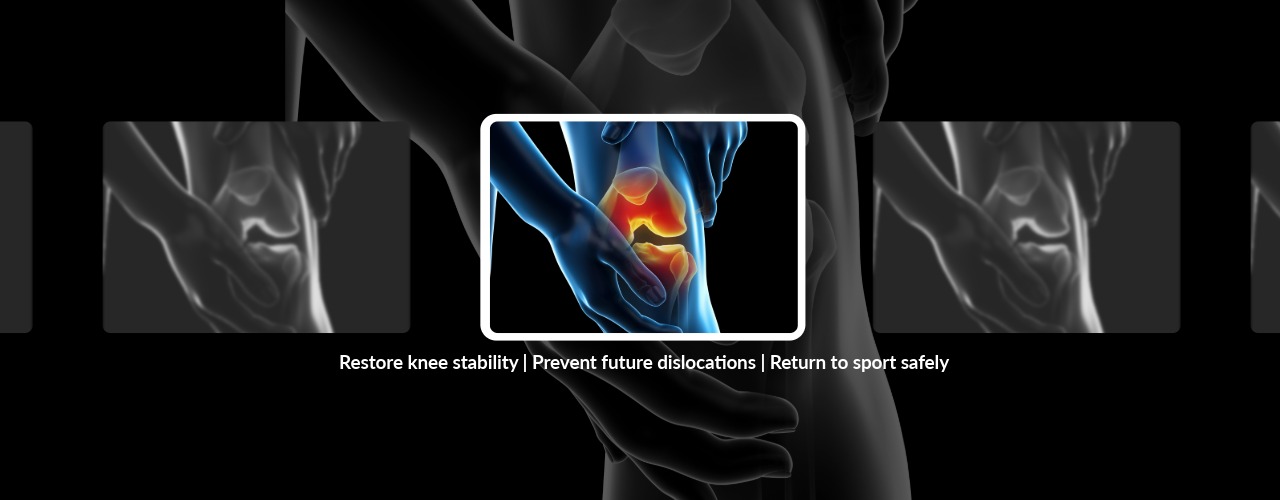
A patellar dislocation occurs when the kneecap slips out of its normal position, usually to the outside of the knee. This painful injury often happens during sports or sudden twisting movements. While the kneecap may pop back into place on its own, you still need proper patellar dislocation therapy with Precision In Movement & Performance Physical Therapy to help restore knee stability, reduce pain, and prevent future dislocations.
Curious what that therapy might look like? Below, we answer some of the most common questions our team receives about addressing patellar dislocations.
Your Patellar Dislocation Therapy Questions Answered!
1. What exactly is a patellar dislocation?
A patellar dislocation occurs when the kneecap moves out of the groove at the end of the thigh bone. The injury typically results from a sudden change in direction, a fall, or direct impact to the knee.
This displacement can stretch or tear the surrounding ligaments and soft tissue. Because of that, professional evaluation and a guided recovery plan are essential. If you suspect you have a patellar dislocation, schedule an appointment right away to assess for potential damage to the soft tissue.
2. What are the common symptoms?
- Immediate pain and swelling in the knee
- A visibly displaced or deformed kneecap
- Difficulty straightening or bending the knee
- A feeling that the knee “gives out” or feels unstable
- Bruising around the front or side of the knee
3. How does physical therapy help recovery?
Physical therapy plays a central role in addressing patellar dislocations. After your kneecap has been properly realigned, our team helps strengthen and retrain the muscles that stabilize the knee. The goals of patellar dislocation therapy include:
- Reducing pain and inflammation
- Restoring range of motion
- Strengthening the quadriceps, hips, and core
- Re-educating proper movement patterns
- Preventing future dislocations through stability training
4. What are the most effective therapy techniques for patellar dislocation?
Several proven physical therapy techniques support recovery, depending on the injury’s severity and stage:
Early Phase (Pain and Swelling Control)
- Gentle range-of-motion exercises to prevent stiffness
- Ice therapy and compression to reduce swelling
- Quadriceps activation exercises (like quad sets) to maintain muscle engagement
Intermediate Phase (Strength and Control)
- Closed-chain strengthening (like mini-squats or step-ups) to build stability safely
- Hip and core strengthening to improve lower-body alignment
- Balance and proprioception training using balance boards or single-leg exercises
Advanced Phase (Return to Sport or Activity)
- Plyometric training (jumping and landing drills) for athletes
- Functional movement retraining for safe return to running or pivoting sports
5. How long does recovery take?
Recovery time varies based on the severity of the injury and whether ligaments or cartilage were damaged.
In mild cases, you can generally expect 6-8 weeks of structured physical therapy. For moderate to severe cases, you can expect to rehab for 4-6 months before a full return to sport or strenuous activity.
6. Can therapy prevent future dislocations?
Yes. In fact, one of the main goals of patellar dislocation therapy is prevention. Strengthening the surrounding muscles, especially the quadriceps and hip stabilizers, keeps the kneecap properly aligned during movement.
We also teach correct movement mechanics, proper footwear use, and safe training techniques to protect the knee during athletic or daily activities.
7. When should I see a physical therapist?
You should begin therapy as soon as your healthcare provider allows movement after the injury. Early rehabilitation facilitates healing and helps prevent long-term complications, such as chronic instability.
Supporting Patellar Dislocation Recovery With Expert Care
Successful recovery from a patellar dislocation takes time, guidance, and consistent effort. Professional patellar dislocation therapy ensures that each stage of healing happens safely and effectively.
At Precision In Movement & Performance Physical Therapy, our physical therapists create customized treatment plans to help patients rebuild knee strength, restore stability, and confidently return to activity. Contact us today to schedule an appointment and learn how expert therapy can help you move without pain and prevent future dislocations.