












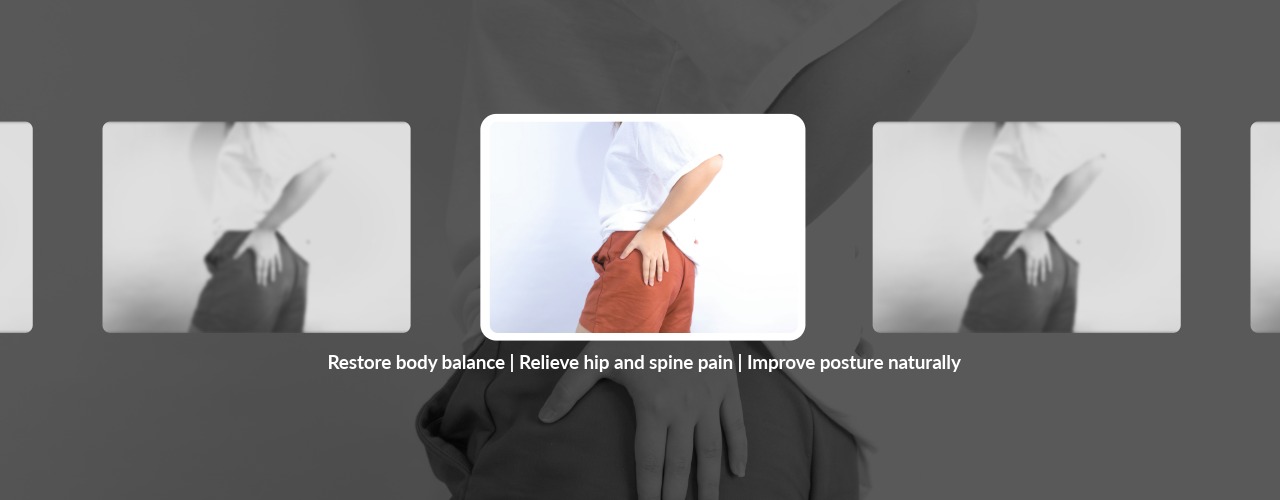
Hip and back pain are two of the most common reasons people seek physical therapy. While they may seem like separate problems, they are closely linked. The way your hips move directly affects your lower back, and vice versa. Understanding the connection between hip pain and spine health can help you find lasting relief and prevent future discomfort.
How the Hips and Spine Work Together
The hips and spine form part of the body’s core movement system. The spine provides stability and flexibility, while the hips act as a foundation for balance and motion. Together, they coordinate every step, twist, and bend. When one area becomes weak, stiff, or misaligned, the other compensates, leading to strain and pain.
For example, limited hip motion forces the spine to move more than it should. Over time, that extra stress can create irritation or inflammation in the lower back. Similarly, poor posture or spinal imbalance can cause uneven loading through the hips, leading to tight muscles and joint pain.
Common Causes of Hip and Spine Pain
Several underlying issues can create or worsen the relationship between hip pain and spine discomfort.
Muscle Imbalance
- Weak gluteal or abdominal muscles can shift the body’s alignment, straining the lower back.
Poor Posture
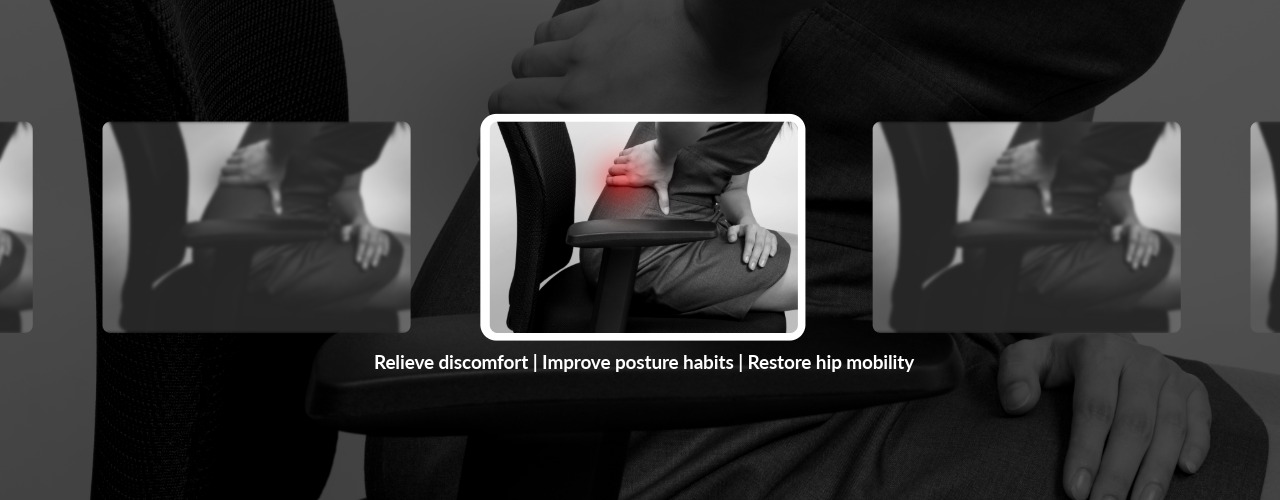
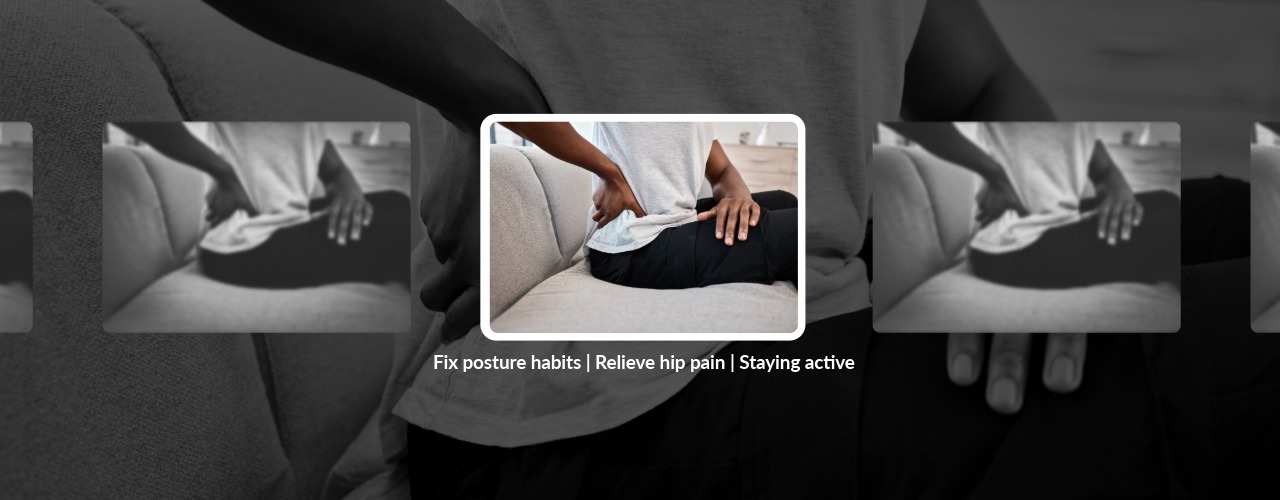
- Sitting for long periods shortens the hip flexors, which pull on the pelvis and affect spinal alignment.
Arthritis
- Degenerative changes in either the spine or hip joint can reduce mobility and alter normal movement.
Herniated Discs
- Pressure from the spine can irritate nerves that extend to the hips and legs, creating radiating pain.
Previous Injuries
- Old strains or surgeries can alter the way you move, increasing the likelihood of recurring pain.
These issues often overlap, which is why identifying the root cause is essential for effective treatment.
Recognizing the Signs of Hip and Spine Involvement
Pain patterns can help distinguish whether symptoms originate from the hips, spine, or both.
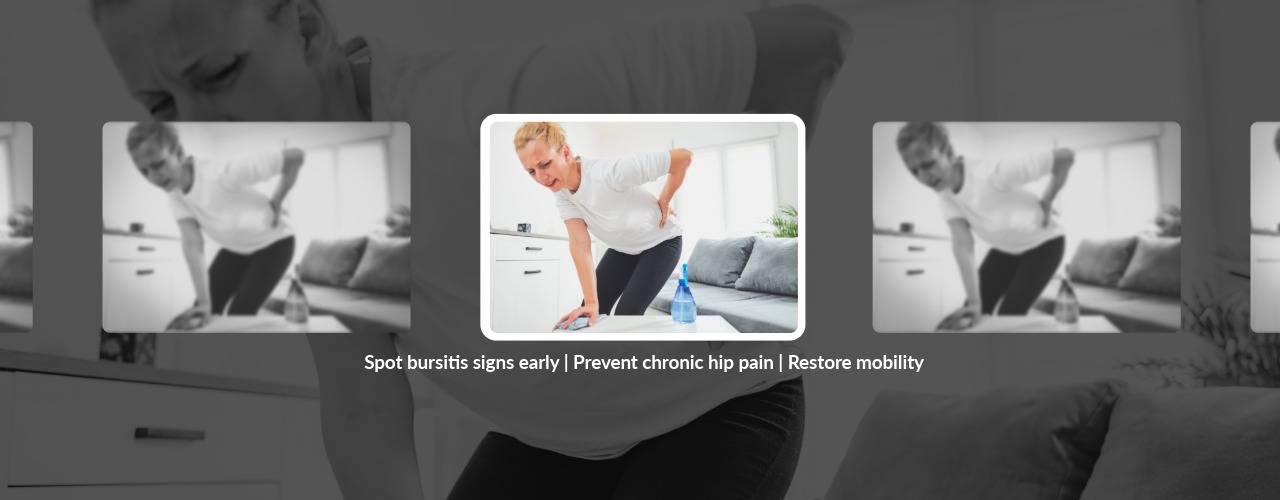
- Hip-related pain often presents in the front of the thigh, groin, or outer hip.
- Spine-related pain can radiate into the buttocks, down the legs, or cause numbness and tingling.
Because these symptoms can feel similar, many people misinterpret their pain source. A detailed assessment by a physical therapist can pinpoint whether hip mechanics, spinal alignment, or both are contributing to the problem.
How Physical Therapy Addresses Hip Pain and Spine Problems
Physical therapy plays a central role in restoring movement and balance between the hips and spine. At Precision In Movement & Performance Physical Therapy, your therapist begins with a comprehensive evaluation to assess flexibility, strength, and posture. From there, a personalized program is designed to address specific movement patterns and relieve strain, including the following:
Manual Therapy
- Hands-on techniques to improve joint mobility and reduce muscle tightness.
Targeted Strengthening
- Exercises for the glutes, core, and back to support posture and stability.
Postural Training
- Teaching proper alignment for sitting, standing, and lifting.
Mobility Work
- Gentle stretching to restore normal hip and lower back motion.
Education
- Guidance on safe daily movements, such as bending, lifting, and walking, to prevent recurring pain.
This approach focuses on improving how the hips and spine move together rather than treating them as isolated problems.
The Biomechanical Connection
Every step you take involves the coordinated effort of the hips and spine. If the hips lose mobility, the spine compensates with extra movement, which can create tension or inflammation in surrounding tissues. Conversely, if the spine becomes rigid or curved, the hips must work harder to maintain balance. Over time, these compensations lead to uneven wear and chronic discomfort.
By restoring proper alignment and movement, therapy helps distribute stress evenly across joints and muscles. This not only relieves pain but also supports long-term joint health.
Lifestyle Factors That Influence Hip and Spine Health
Beyond therapy, several habits can protect your hips and back:
- Avoid prolonged sitting by standing or stretching every hour.
- Strengthen your core muscles with low-impact exercises like bridges or planks.
- Maintain a healthy weight to reduce joint stress.
- Use supportive shoes that promote even weight distribution.
- Stay hydrated to keep muscles and joints flexible.
These small changes help maintain the progress made during physical therapy and reduce the risk of recurring pain.
Moving Forward With Balance and Strength
Pain in one area of the body often signals an imbalance somewhere else. By addressing the relationship between hip pain and spine function, you can restore strength, movement, and stability. Understanding how these systems interact empowers you to move comfortably and confidently again.
Restore Comfort With Professional Care
If you are experiencing hip pain and spine discomfort, help is available. At Precision In Movement & Performance Physical Therapy, our physical therapists specialize in restoring joint function and improving full-body alignment. Contact Precision In Movement & Performance Physical Therapy today to schedule your evaluation and take the first step toward lasting relief and better mobility.