












Every athlete wants to recover quickly and return to peak performance after an injury. While rest is essential, it is rarely enough on its own. Sports injury manual therapy can make a measurable difference by improving circulation, restoring mobility, and reducing tissue tension during recovery. The best way to see its impact is by comparing two athletes who approached their recovery in different ways.
The Athletes: Tucker and Jackson
Tucker and Jackson (not their real names) are both competitive runners who trained consistently and pushed themselves through intense workouts. During a spring training season, they each developed similar hamstring injuries caused by overuse and muscle tightness. Their recovery choices, however, took them down two very different paths.
Tucker’s Experience: Manual Therapy and Guided Recovery
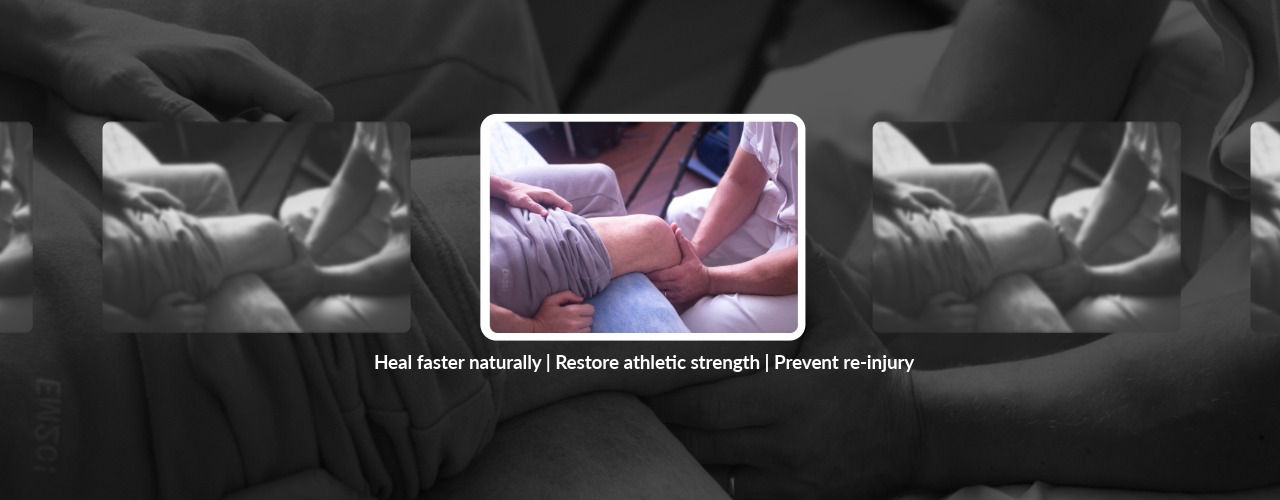
After his injury, Tucker began working with a physical therapist at Precision In Movement & Performance Physical Therapy who specialized in sports injury manual therapy. His care plan included hands-on soft tissue work, guided stretching, and gradual strengthening exercises designed to promote circulation and restore flexibility.
The therapist used specific techniques to release tight fascia and improve muscle glide. By addressing the restricted areas directly, Tucker regained normal movement and reduced inflammation more efficiently.
Over several weeks, Tucker noticed less stiffness and a smoother stride. He was able to reintroduce running drills under supervision, focusing on proper muscle activation. His recovery timeline shortened, and he returned to training at full intensity without recurring pain.
Jackson’s Experience: Rest and Self-Management
Jackson, on the other hand, decided to manage his injury on his own. He relied on rest, occasional ice, and self-directed stretching. Initially, his pain decreased, but tightness and soreness returned once he resumed running. Because the deeper tissue restrictions were never addressed, his muscles remained less flexible and more vulnerable to strain.
Without professional intervention, Jackson’s recovery took longer. He experienced frequent flare-ups, which limited his training consistency. Over time, compensations developed in his lower back and hip, leading to new areas of discomfort.
How Sports Injury Manual Therapy Made the Difference
The main difference between Tucker’s and Jackson’s outcomes lies in the effectiveness of sports injury manual therapy. This hands-on care supports healing at the tissue level, where injuries develop. It promotes recovery in several important ways:
Improved Blood Flow
- Manual therapy increases circulation, delivering oxygen and nutrients to healing tissues.
Reduced Tension
- Releasing tight muscles helps restore balance and reduce strain on surrounding joints.
Better Mobility
- Addressing soft tissue restrictions restores normal motion patterns.
Enhanced Recovery Speed
- Targeted techniques accelerate the body’s natural healing process.
By addressing the cause of Tucker’s discomfort, rather than only the symptoms, manual therapy helped him return to full strength faster than traditional rest alone.
Why Manual Therapy Matters in Sports
Athletes often underestimate the impact of small imbalances. Tight muscles, scar tissue, or joint restrictions can alter how force travels through the body. These imbalances lead to compensations that increase the risk of secondary injuries. Sports injury manual therapy restores tissue mobility, allowing the body to move more efficiently and with less stress.
At Precision In Movement & Performance Physical Therapy, therapists combine hands-on care with corrective exercise and education. This approach helps athletes like Tucker strengthen weak areas, retrain movement, and prevent future strains.
The Science Behind the Difference
Manual therapy improves muscle activation and neuromuscular control. When tissues move freely, the nervous system responds more effectively to movement cues. This coordination reduces fatigue and allows athletes to perform more consistently. While rest helps reduce inflammation, it does not actively restore mobility or strength, which explains why Tucker’s guided therapy outperformed Jackson’s self-care approach.
Lessons for Every Athlete
The comparison between Tucker and Jackson highlights a key truth: recovery is not passive. Successful rehabilitation requires active participation and expert guidance. Manual therapy bridges the gap between rest and full performance by ensuring that every step, stretch, and stride is efficient.
Athletes who skip structured care often prolong their recovery without realizing it. Even mild injuries can create long-term movement changes if not addressed properly. By including manual therapy as part of treatment, recovery becomes faster, more effective, and more sustainable.
Returning Stronger Than Before
Tucker’s success shows that recovery can lead to improvement, not just healing. By restoring balance and movement quality, he reduced his risk of re-injury and improved overall running mechanics. Jackson’s experience serves as a reminder that doing less may seem easier in the short term but often delays full recovery.
Find Faster Recovery With Expert Care
If you are recovering from a sports injury and want to get back to full performance, professional care can make the difference. At Precision In Movement & Performance Physical Therapy our therapists use sports injury manual therapy to help athletes heal efficiently, restore mobility, and prevent re-injury. Contact Precision In Movement & Performance Physical Therapy today to schedule your evaluation and discover how hands-on treatment can help you move, train, and compete at your best.