













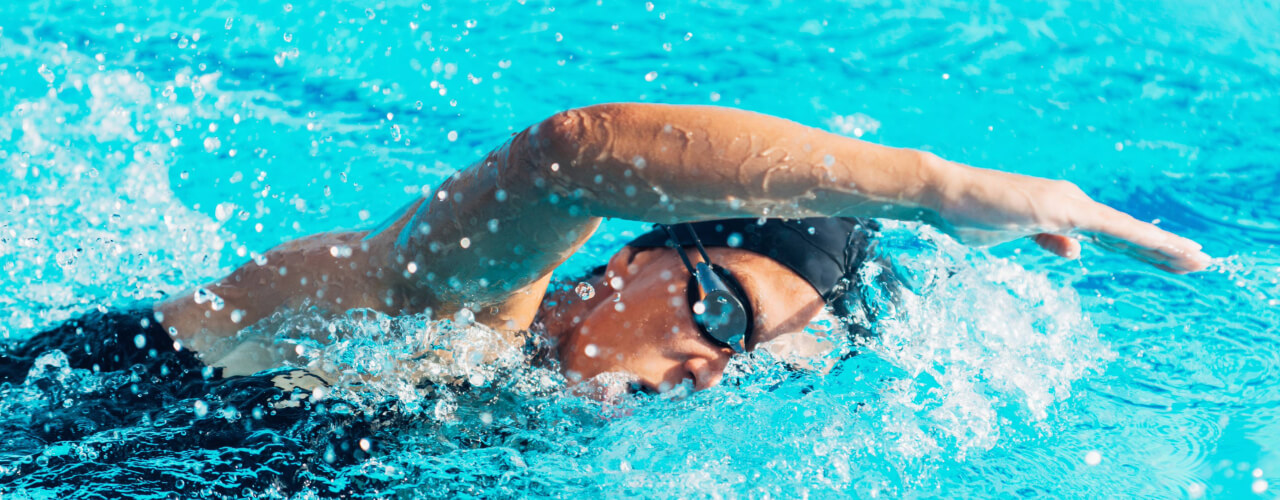
Neck strain is common among swimmers, particularly those who keep their heads above water for long periods during strokes like the freestyle. Up to 40% of swimmers experience some form of neck or shoulder pain during their careers. Neck strain exercises for swimmers can reduce pain and improve range of motion. Physical therapy exercises are highly effective in alleviating symptoms and preventing future injury by strengthening and stretching the muscles around the neck and shoulders.
Understanding Neck Strain in Swimmers
Neck strain in swimmers occurs when the muscles or ligaments in the neck become overstretched or torn due to repetitive motion. Swimmers, especially those practicing strokes that involve lifting the head out of the water, such as the front crawl, are particularly prone to this injury. Symptoms of neck strain often include stiffness, sharp pain, and difficulty turning the head.
Common Causes of Neck Strain in Swimmers
- Poor swimming technique, particularly during freestyle or breaststroke
- Repeatedly turning the head to breathe during strokes
- Imbalances in shoulder and neck strength
- Overtraining or lack of rest
- Inadequate warm-up routines before swimming
The Power of Physical Therapy: Neck Strain Exercises for Swimmers
Physical therapy is a crucial part of recovery from neck strain in swimmers. Through targeted neck strain exercises for swimmers, physical therapists can help patients regain strength and mobility while preventing future injuries. The treatment usually starts with a comprehensive assessment to determine the underlying cause of the neck strain.
Key Exercises May Include
Stretching Exercises
- Focused on improving flexibility and reducing neck and upper back muscle tension. These exercises can help relieve stiffness and improve range of motion, both of which are essential for swimmers who experience restricted movement.
Strengthening Exercises
- Targeting weak muscles in the neck, shoulders, and upper back. Strengthening these areas can help prevent further strain by improving muscle support around the neck.
Posture Correction Exercises
- Designed to address poor swimming posture, especially during breathing techniques. These exercises help align the spine and shoulders, reducing the risk of strain caused by improper head positioning.
Mobility Drills
- Exercises that increase joint mobility and fluid movement, especially in the cervical spine and shoulder joints. These drills help swimmers maintain smooth and efficient strokes.
Core Strengthening
- Strengthening the core stabilizes the entire body, including the neck. A strong core helps swimmers maintain better body alignment in the water.
These exercises are part of a comprehensive physical therapy plan tailored to your needs. Addressing muscle imbalances and focusing on overall body mechanics helps to alleviate pain and prevent future neck injuries.
Ready to Dive Back In with Precision In Movement & Performance Physical Therapy?
If you are experiencing neck strain while swimming, don’t wait for the pain to worsen. Physical therapy can provide targeted neck strain exercises for swimmers that improve function and prevent injury recurrence.
Call our team at Precision In Movement & Performance Physical Therapy in Redlands, CA today to learn more about recovery techniques tailored to your needs!