










Did you know that an estimated 8.6 million sports and recreation-related injuries occur annually in the United States alone? However, manual therapy emerges as a beacon of hope, offering a pathway to prevent sports injuries and expedite recovery. Contact Precision in Movement to know more.
Exploring Causes of Sports Injuries
Sports injuries encompass a spectrum of conditions that arise from various physical activities, from recreational sports to professional athletics. Understanding the signs and causes of these injuries is crucial for effective prevention and treatment.
Signs of a Sports Injury
Pain
- One of the primary symptoms of a sports injury is pain, which can range from mild discomfort to severe and debilitating. The pain may be in a specific area or radiate throughout the affected limb or joint.
Swelling
- Swelling, also known as edema, often accompanies sports injuries and is caused by an accumulation of fluid in the injured tissue. It may manifest as visible puffiness or tightness in the affected area.
Bruising
- Bruising, or discoloration of the skin, occurs when small blood vessels beneath the skin rupture due to trauma or impact. It typically presents as purple or blue patches on the skin’s surface.
Limited Range of Motion
- Sports injuries can restrict the range of motion of a joint or limb, making it challenging to perform particular movements. This limitation may result from pain, swelling, muscle tightness, or structural damage.
Weakness
- Muscle weakness or loss of strength is common following a sports injury, especially if the injury affects the muscles or surrounding structures. Weakness may impair functional activities and hinder athletic performance.
Common Causes of Sports Injuries
Overuse
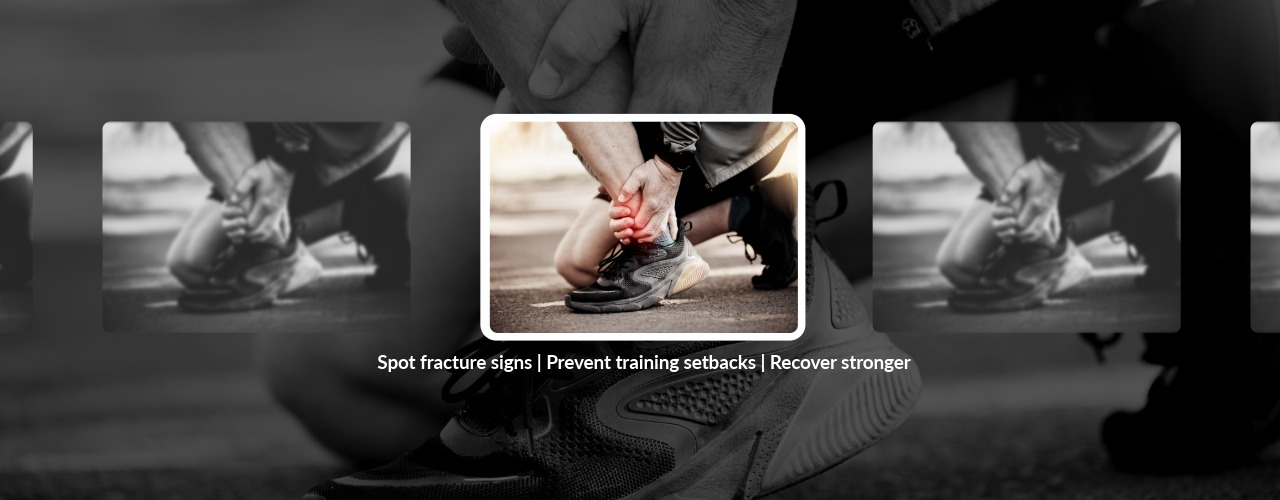
- Overuse injuries occur when repetitive stress or strain is placed on a particular body part without sufficient time for rest and recovery. Examples include runner’s knee, tennis elbow, and stress fractures.
Trauma
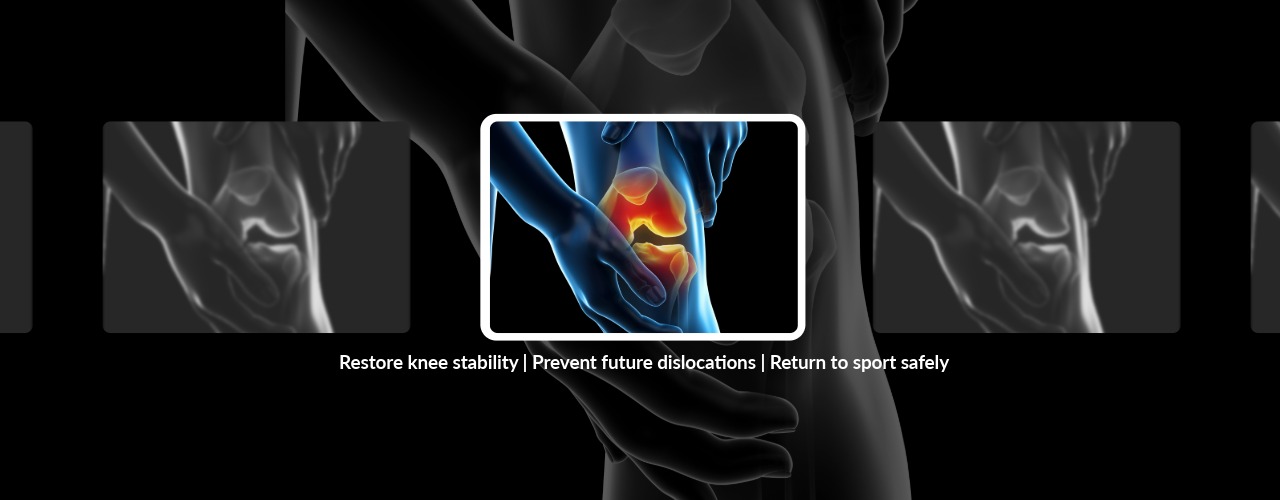
- Traumatic injuries result from sudden and forceful impacts or collisions during sports activities. These injuries may include sprains, strains, fractures, dislocations, and contusions.
Poor Technique
- Incorrect or improper technique while performing sports activities can increase the risk of injury. Poor biomechanics can strain muscles, joints, and ligaments.
Inadequate Warm-up or Conditioning
- Failing to properly warm up before engaging in physical activity or participating in activities beyond one’s fitness level can predispose individuals to injuries. Inadequate conditioning and flexibility may also contribute to the risk of injury.
Environmental Factors
- Environmental conditions, such as uneven playing surfaces, extreme temperatures, or inadequate protective gear, can contribute to sports injuries by increasing the risk of slips, falls, or accidents.
How Manual Therapy Can Help with Sports Injury Relief
Manual therapy is a cornerstone of managing and recovering from sports injuries, offering a multifaceted approach to relief and recovery. Through skilled hands-on techniques and tailored treatment plans, manual therapists address the root cause of injury and facilitate the body’s natural healing process.
What to Expect with Manual Therapy
Targeted Treatment
- Manual therapists utilize various techniques, including joint mobilization, soft tissue manipulation, and corrective exercises, to address specific areas of dysfunction and promote healing.
Pain Management
- Manual therapy techniques help alleviate pain and discomfort associated with sports injuries, allowing individuals to regain mobility and function more effectively.
Improved Performance
- Addressing underlying biomechanical issues and restoring optimal movement patterns helps athletes enhance their performance and reduce the risk of future injuries.
Preventive Strategies
- Manual therapists provide education and guidance on injury prevention techniques, including proper warm-up, cool-down, and conditioning exercises, to minimize the risk of recurrent injuries.
Unlocking Athletic Potential: Embracing Manual Therapy for Sports Injury Recovery
Don’t let a sports injury derail your aspirations and goals. Take the proactive step towards recovery and performance enhancement by incorporating manual therapy into your treatment plan.
Call us today to learn how manual therapy can help you unlock your athletic potential and achieve your desired outcomes.